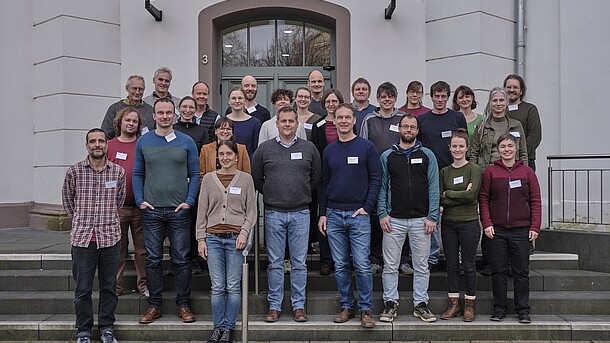



Looking back at an eventful and inspiring AESOP YA Conference 2025
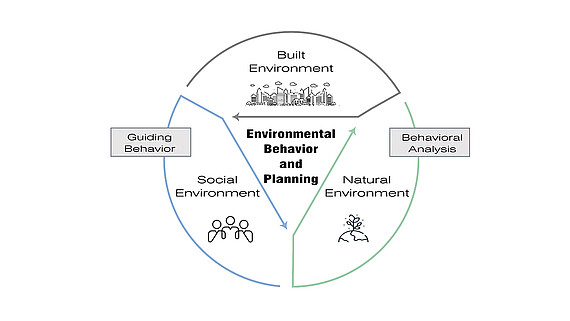
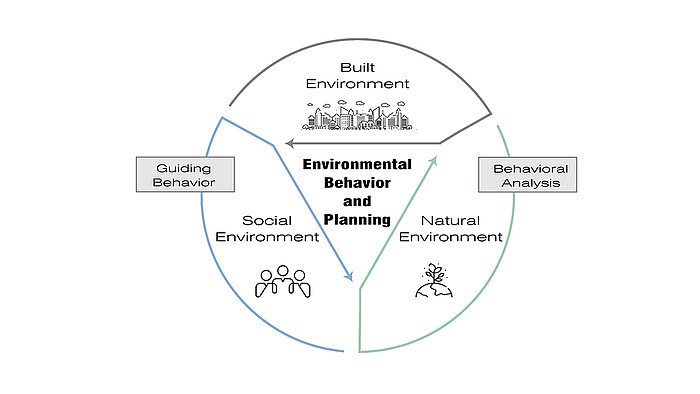
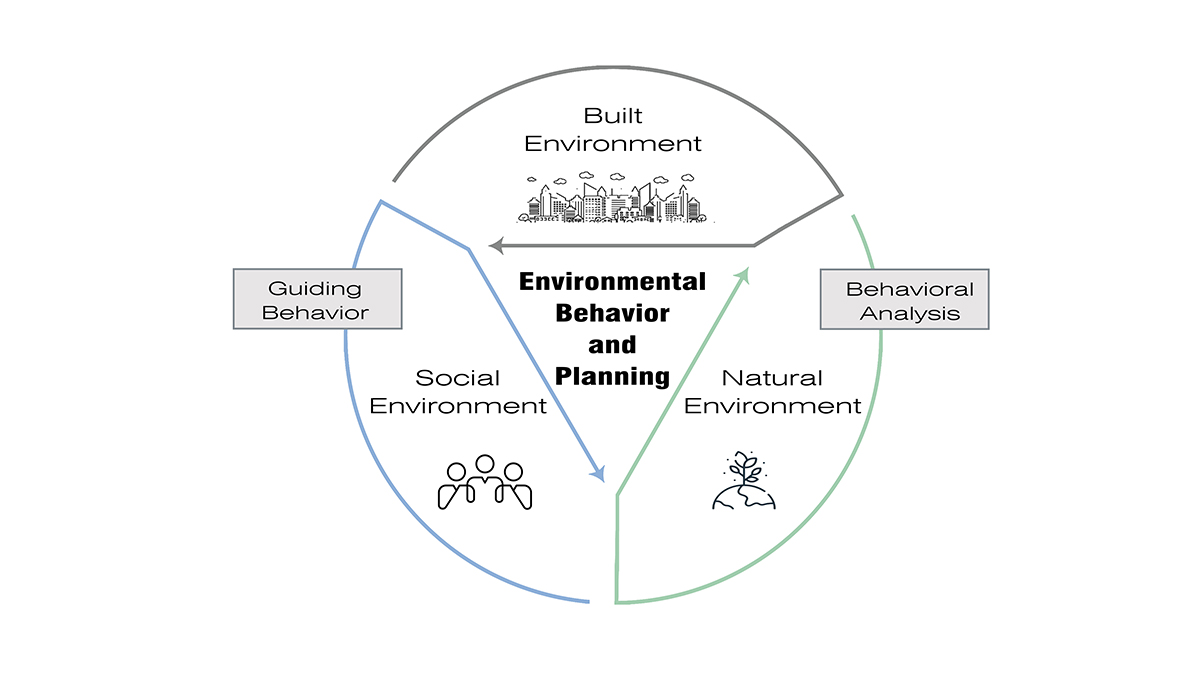
In our research, we analyze the determinants of pro-environmental behavior in land use and spatial planning. Special attention is given to the interdependence of the natural, social, and built environment and the resulting decision-making behavior. Building on the understanding of the relevant interrelationships, we investigate institutional conditions that can promote the protection and creation of ecologically and socially sustainable habitats for both humans and nature.
We empirically assess the behavioral effects of traditional measures to steer behavior. Do people actually respond as assumed, or do unexpected reactions such as reactance or non-compliance emerge? In practice, numerous examples can be found of such as missed targets, non-compliance with legal regulations, the ineffectiveness of financial incentives e.g. in agri-environmental and climate measures, or reactance to new spatial planning procedures.
By deepening our understanding of the underlying motives of relevant actors, we can modify traditional planning and policy measures and complement them with behavior-oriented interventions (such as nudges or boosts). This approach aims to foster acceptance of necessary changes and enhance the effectiveness of planning and policy measures.
Some examples of research questions:
- How can biodiversity conservation be strengthened in agriculture and urban areas?
- How do opportunities for participation influence individual and collective behavior?
- What are the optimal design principles for participation processes that promote collective action for sustainability?
- How can the interests of future generations be more effectively integrated into planning decisions?
- How do different habitats shape individual understandings of nature and behavior?
- What are effective ways to motivate constructive action for nature and climate protection? Examining the role of optimism vs pessimism
Research projects
-
FoResLab: Future Lab towards Forests Resilient to Climate ChangeLed by: Prof. Dr. Ann-Kathrin KößlerTeam:Year: 2030Funding: Lower Saxony Ministry of Science and Culture and the Volkswagen Foundation
![]()
![]()
-
VALERECO - Valorization Legumes Related Ecosystem ServicesLed by: Prof. Dr. Ann-Kathrin KoesslerTeam:Year: 2028Funding: EU HorizonDuration: 1.06.2024 – 31.05.2028
![]()
![]()
-
Research Cluster: Behavioral Economics and Societal TransformationLed by: LUH Teilprojekt, Prof. Dr. Ann-Kathrin Koessler, Prof. Dr. Marina SchroederTeam:Year: 2028Funding: Niedersächsisches Ministerium für Wissenschaft und Kultur (MWK)
![]()
![]()
-
WellAdapt: Mental well-being and adaptation decisions of Mexican farmers following extreme weather eventsLed by: Prof. Dr. Ann-Kathrin KoesslerTeam:Year: 2027Funding: German Research Foundation (DFG)Duration: 01.08.2024 - 31.07.2027
![]()
![]()
-
BioWoQLed by: Prof. Dr. Ann-Kathrin KößlerTeam:Year: 2027Funding: Deutsche Bundesstiftung UmweltDuration: 01.04.2024 – 31.03.2027
![]()
![]()