

Annual meeting of the EU project VALERECO in Pisa

Teaching
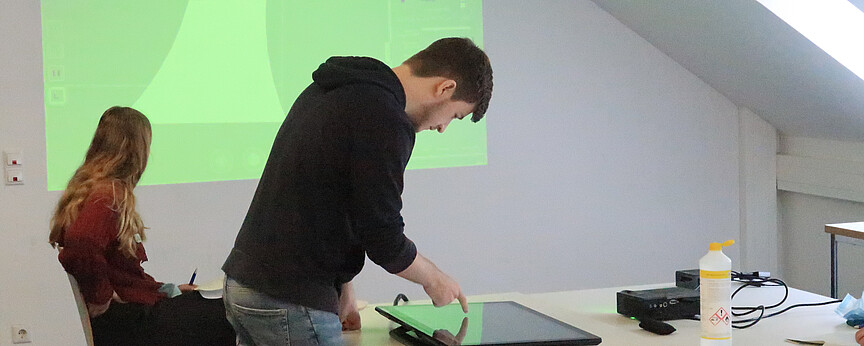
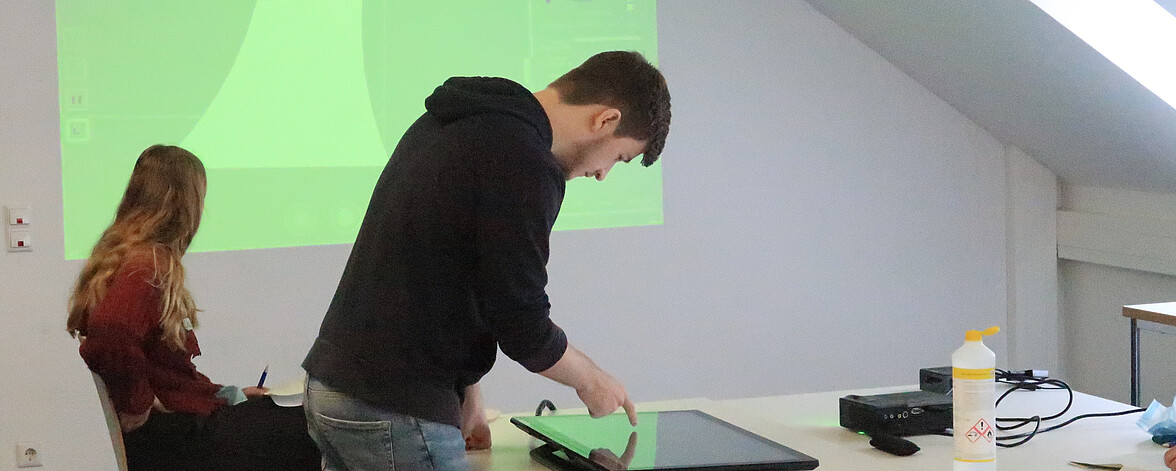
The working group offers different courses on the application of geographic information systems (GIS) and other digital technologies for spatial analysis and planning, as well as the spatial modeling of interactions between anthropogenic land / resource uses and ecosystems. This includes the teaching of geo-information-based quantification, analysis, and evaluation of blue and green infrastructures as well as the development of nature-based solutions to strengthen and further develop such multifunctional networks. The identification of ecosystem services as indicators for the functionality and benefits of nature-based solutions and green infrastructure is also covered. Newer topics such as interactive, web-based geoinformation applications, big data, methods of artificial intelligence and machine learning, especially for site potential and suitability analysis (e.g. for renewal energy development), as well as the spread of "smart" technologies are also part of the teaching of the working group.
In the student’s projects offered by the working group, the planning-related application of geographic information systems and/or models as a methodical cross-sectional topic is usually in the foreground. In terms of content, changing questions are offered on topics such as sustainable urban development, climate change, water protection, biodiversity, energy or mobility transition.
The teaching of the working group aims at an effective acquisition of competences, is oriented towards learning outcomes and uses activating forms of teaching and learning. Students are encouraged to get actively involved in shaping the teaching and learning.
Research
Our research focus is on the spatial analysis and modeling of nature-based solutions and the provision of ecosystem services as well as the participatory planning and implementation of green infrastructure, especially in urban areas. This research is strongly inter- and transdisciplinary. Furthermore, research is carried out on topics of environmental and landscape planning, in which digital technologies and in particular geoinformation-based spatial analysis and modeling are useful as planning and decision-making support, e.g. in the context of a sustainable energy and mobility transition. Especially multivariable site potential assessments and suitability analysis are a research focus here.
Geographic information systems, field and sensor recordings, remote sensing methods, (numerical) models (e.g. for the development and investigation of land use scenarios, determination of water balances, floods or climate-regulating landscape functions), landscape dimensions for the evaluation of structural and functional connectivity as well as web-based geographic information applications, e.g. development of interaction and dialogue tools for planning are used in our research activities.
Our scientific work is characterized by a regular technical and methodological exchange for the continuous acquisition of competences through various formats. Interdisciplinary and transdisciplinary cooperation with colleagues from science and practice, active participation in scientific specialist communities, effective science communication and participation in the organization and contribution to national and international conferences are encouraged.
Exemplary questions of Digital Environmental Planning:
- Which areas are suitable for the development of renewable energies in an environmentally friendly manner?
- Which ecosystem services are provided by green and blue infrastructures?
- Where are Nature-based Solutions most effective?
- How can digital tools and technologies (e.g. geodesign) support environmental planning?
- What are the effects of land use change and infrastructure construction on water availability and quality, biodiversity and social well-being?
- How does urbanization affect the development of heat island effects or flooding?
International Exchange
In both, teaching and in research, there is a wide range of cooperation and an intensive exchange with European and especially Latin American partner universities (e.g. in Nicaragua, Costa Rica, Ecuador and Colombia).
If you are interested in a semester abroad, internships and/or theses at our international partner universities, we look forward to hearing from you.